Building radio-controlled airplanes with a vacuum former
- Posted on
- Posted in Arts & Crafts
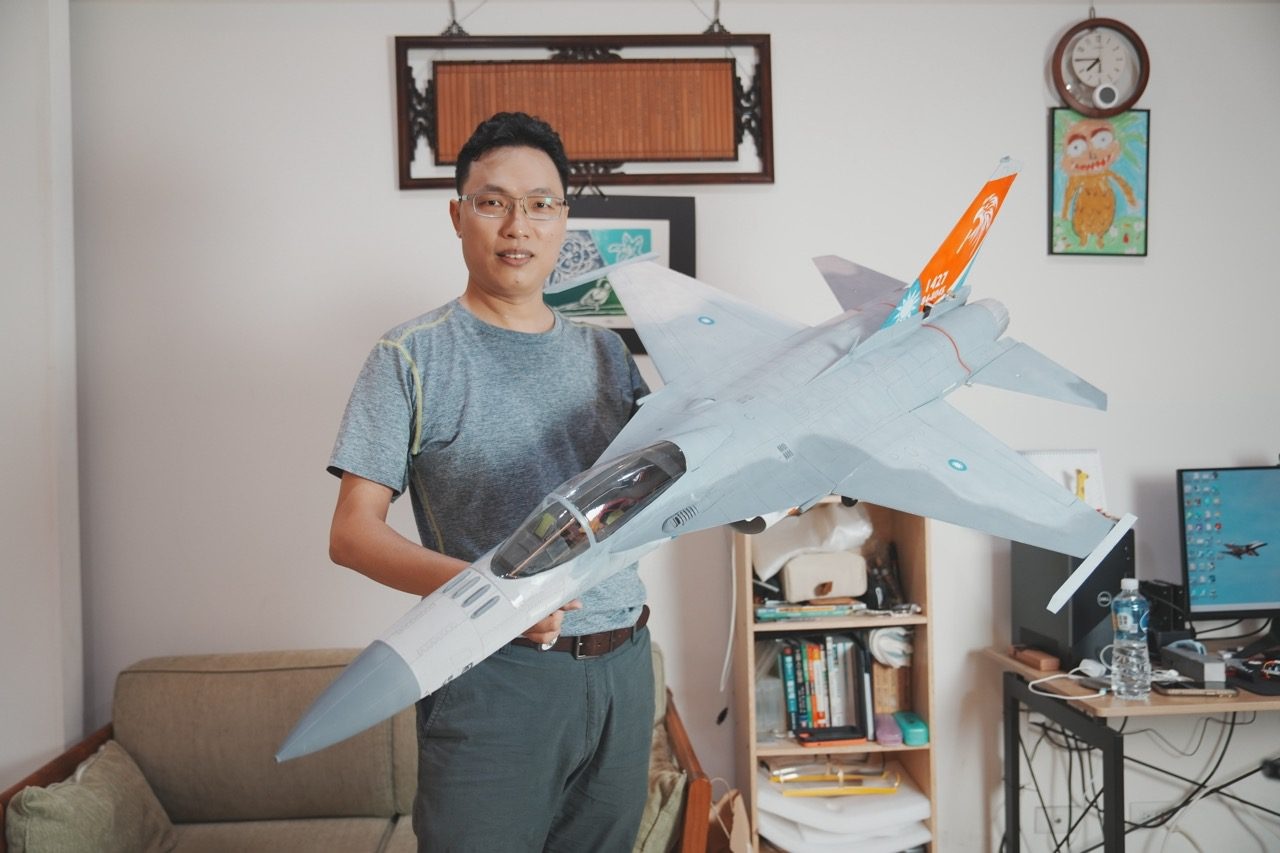
Explore how Taiwanese modelmaker Lin Chia-Nan creates realistic RC jet canopies using vacuum forming. Perfect for hobbyists looking to upgrade their model aircraft builds.
Lin Chia-Nan is a highly skilled Taiwanese model aircraft maker who has been designing and building his own radio-controlled (RC) planes for more than thirty years. Unlike traditional scale modellers who focus solely on appearance, Chia-Nan’s passion lies in creating aircraft that both look authentic and take to the skies with real aerodynamic performance.
A year in the making: the T-5 Brave Eagle project
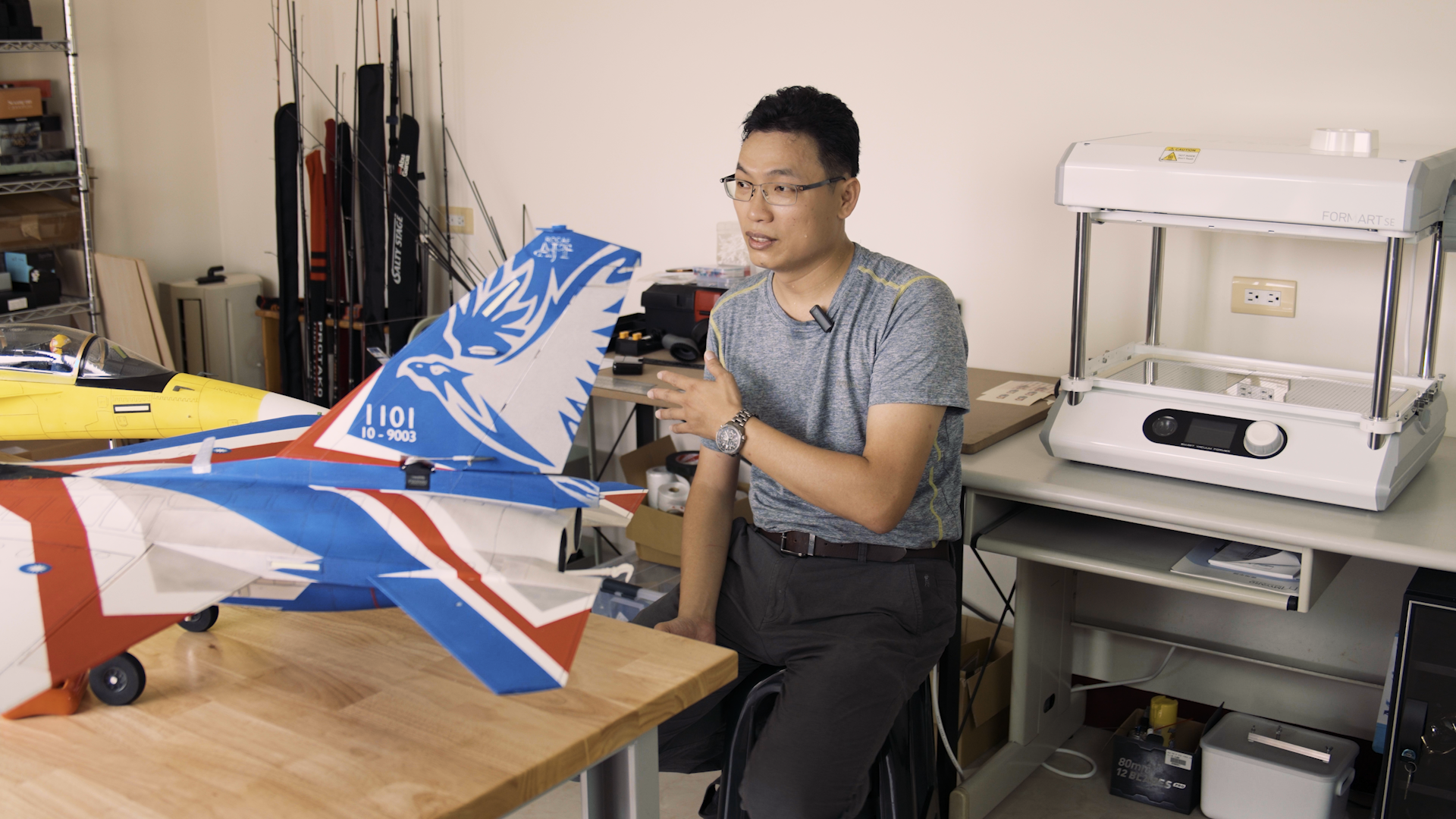
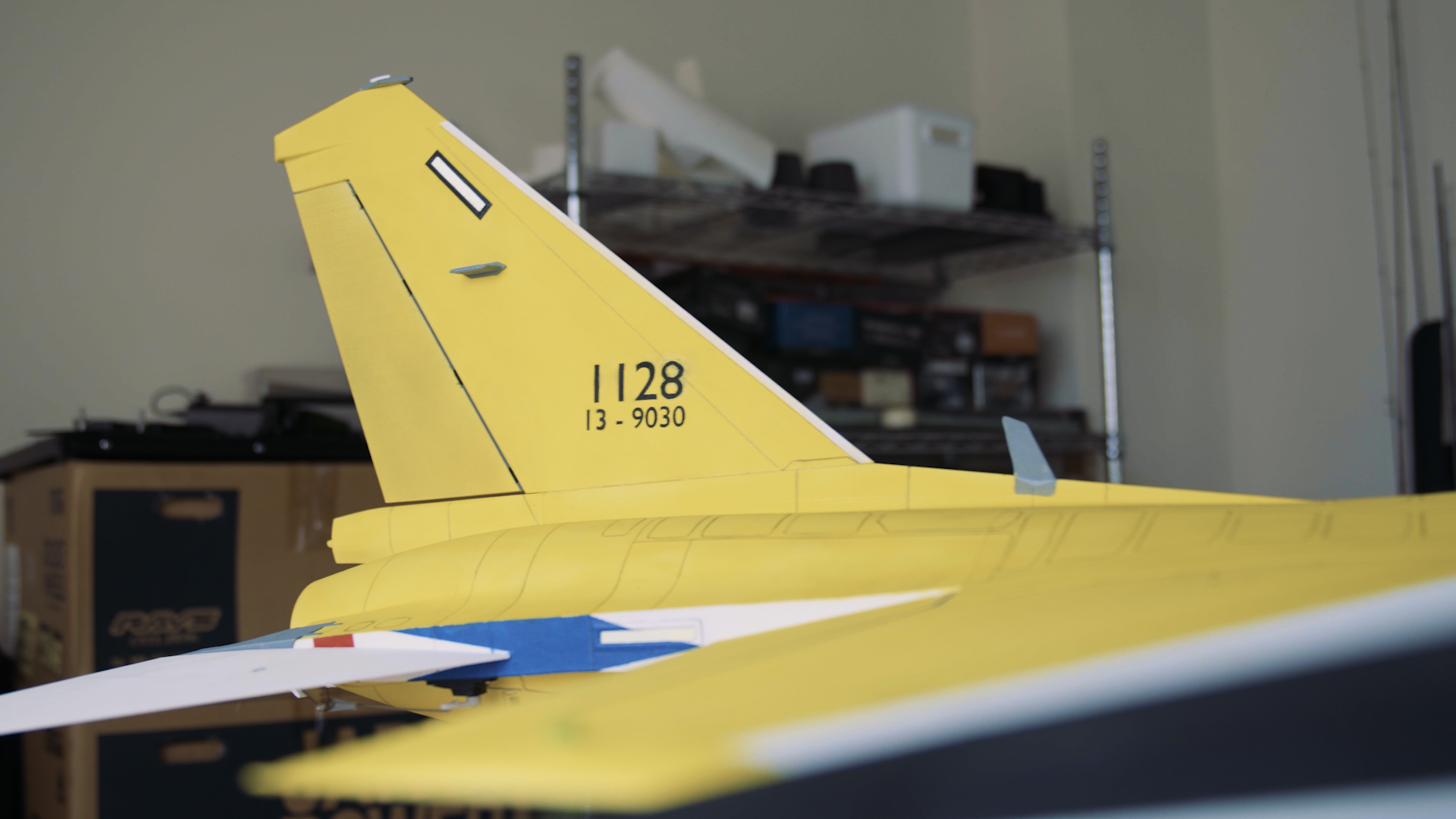
One of Chia-Nan’s most ambitious projects is his model of the AIDC T-5 Brave Eagle, a Taiwanese advanced trainer jet. He spent over a year refining its structural design and aerodynamics, pushing the limits of what an RC model can achieve.
His journey included several prototypes:
- Model 1 suffered a crash shortly after take-off.
- Model 2 managed to fly but had a very rough landing.
- Model 3 finally completed a smooth, successful test flight from take-off to landing.
This iterative process reflects the dedication and engineering insight behind every aircraft he builds.
Designing and manufacturing custom components
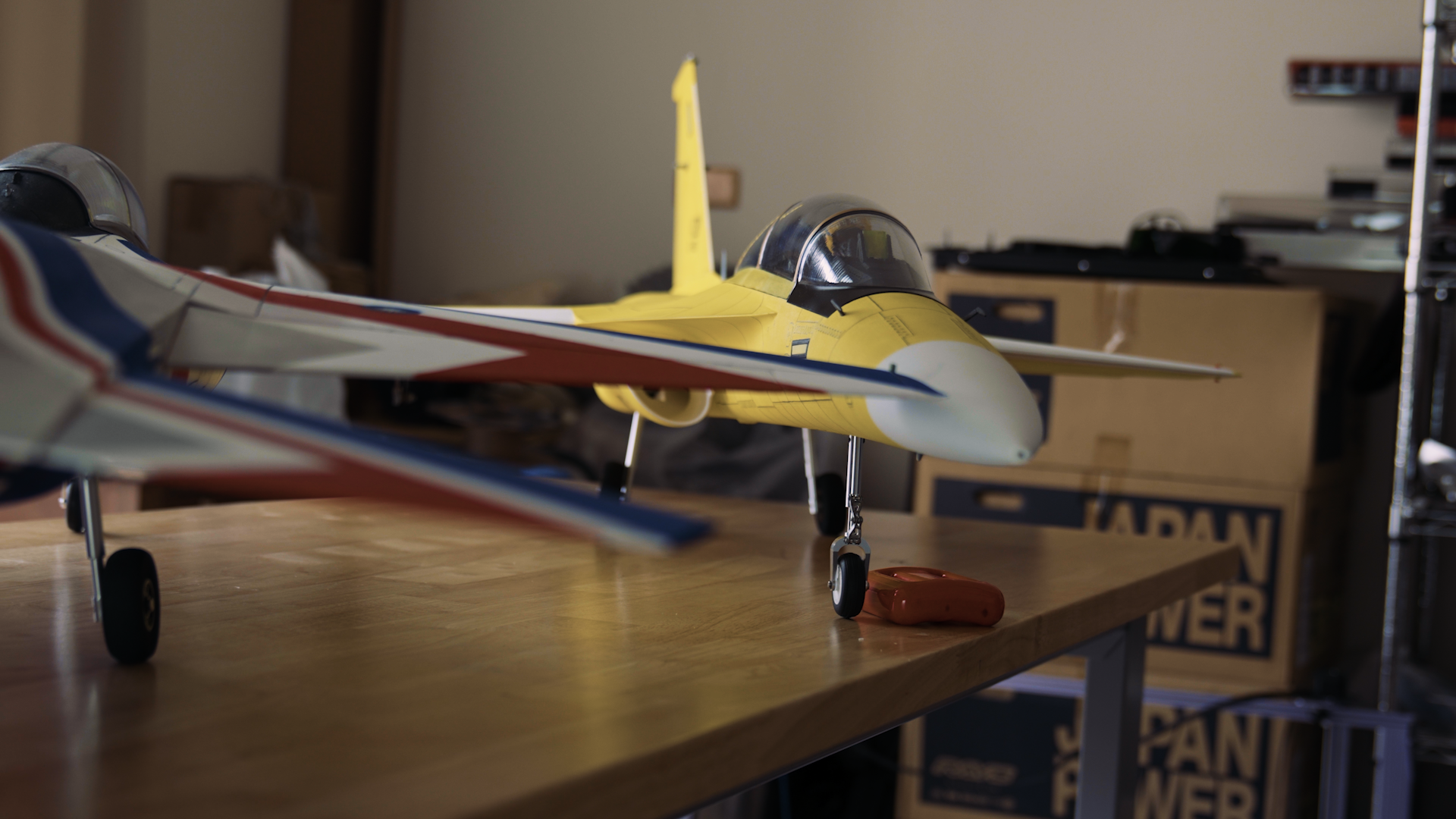
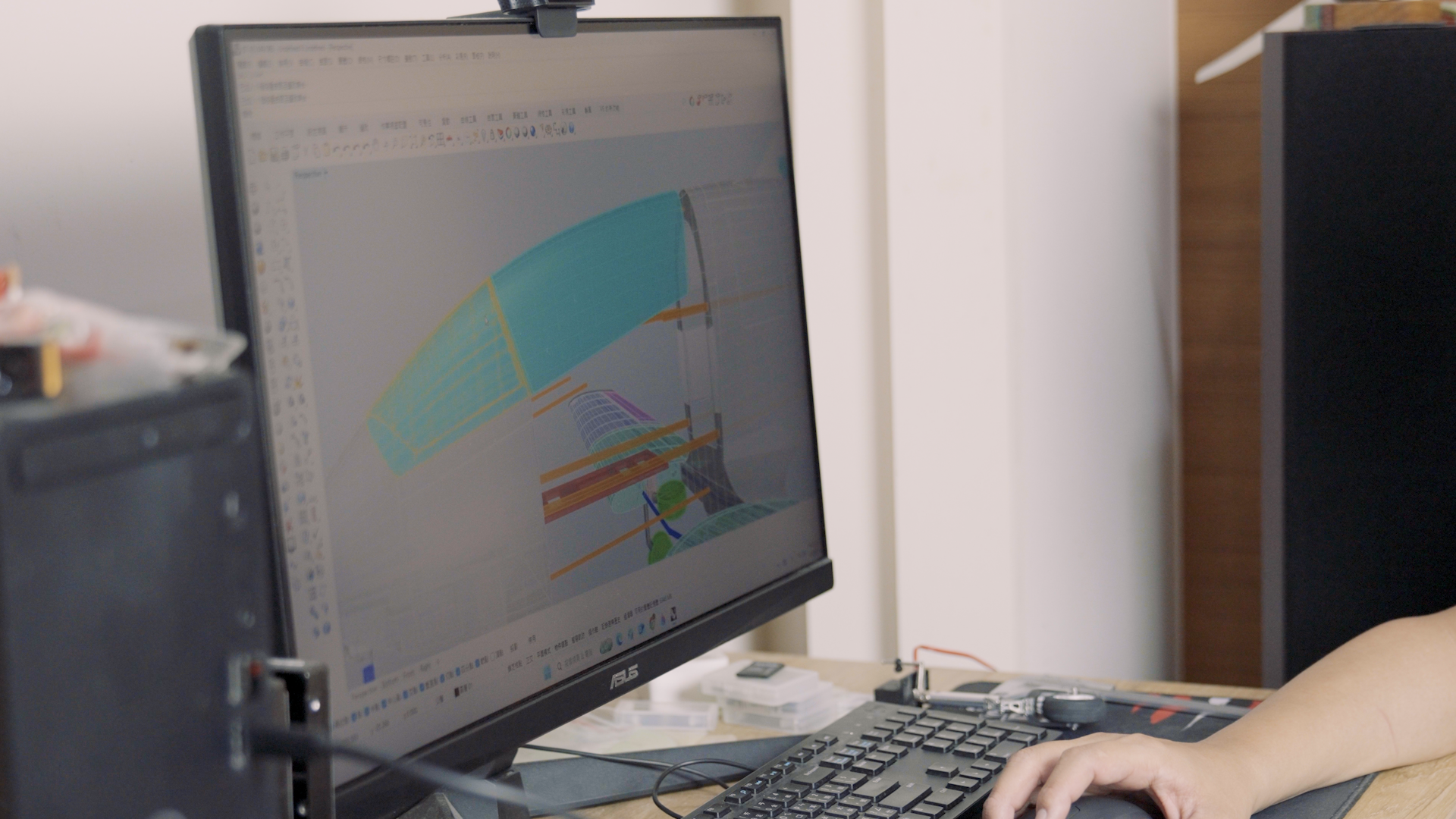
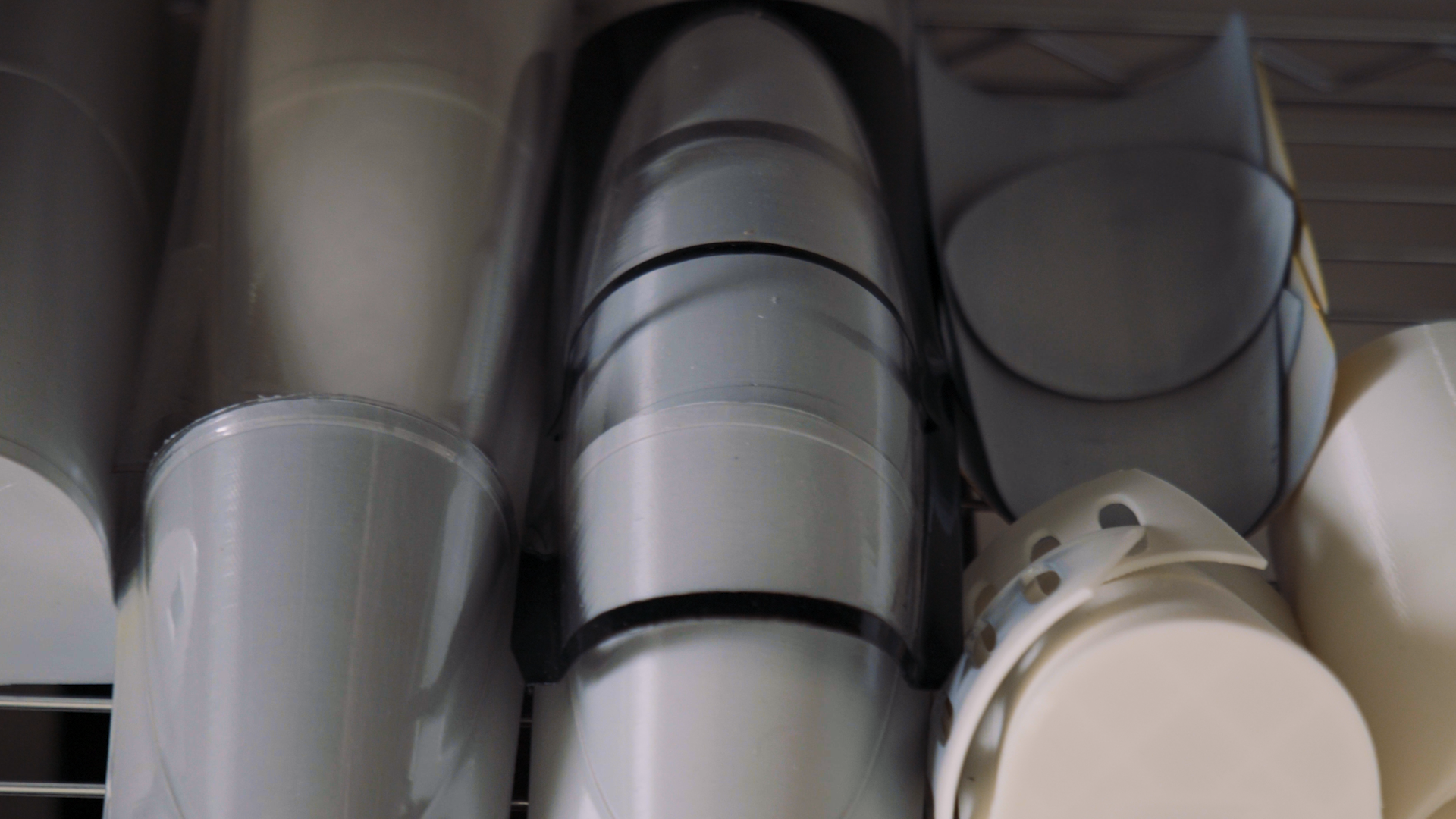
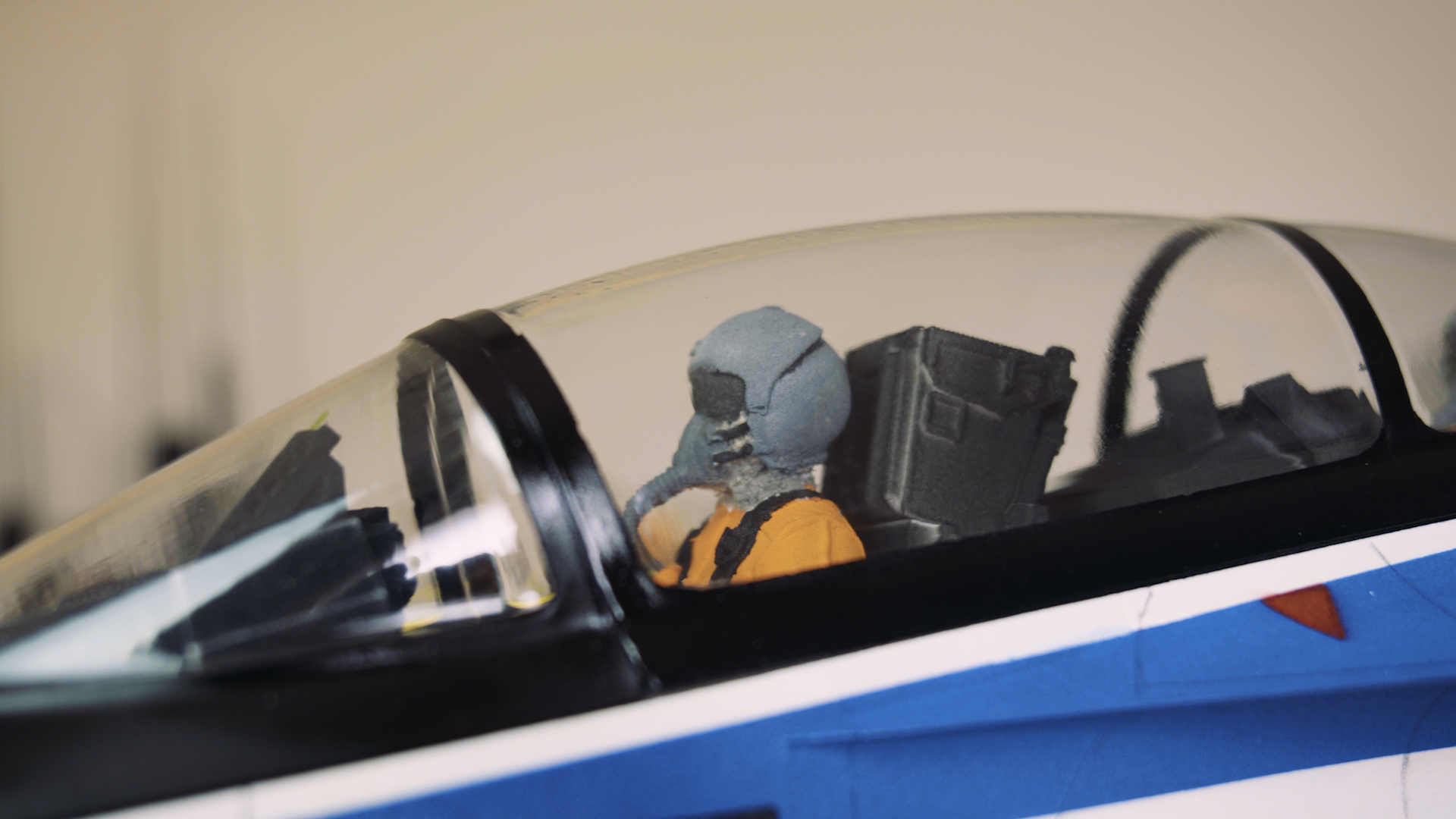
Chia-Nan designs all his aircraft using professional 3D modelling software and 3D prints the components himself. To achieve the realistic appearance of a full-scale jet, he includes a transparent cockpit canopy, allowing a clear view of the interior details.
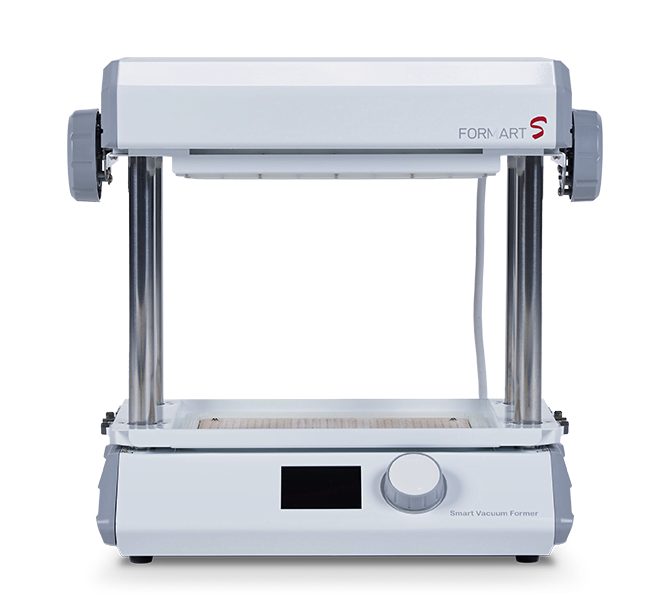
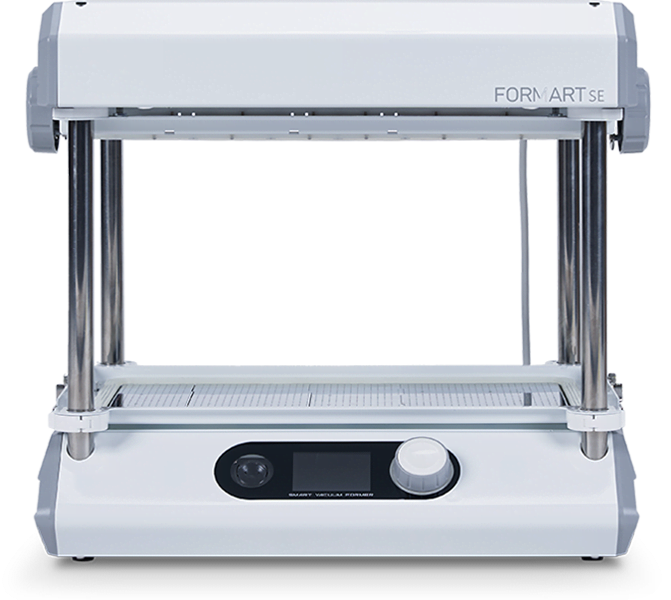
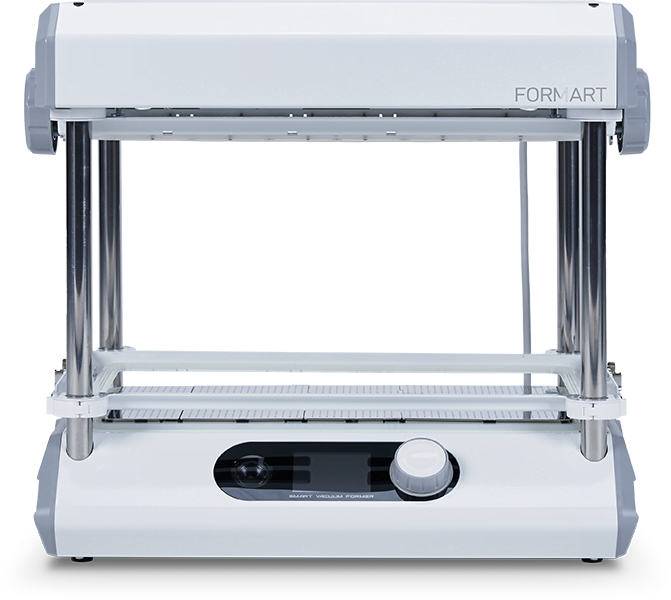
This is where his FORMART SE vacuum former becomes an essential part of the workflow.
Creating realistic transparent canopies
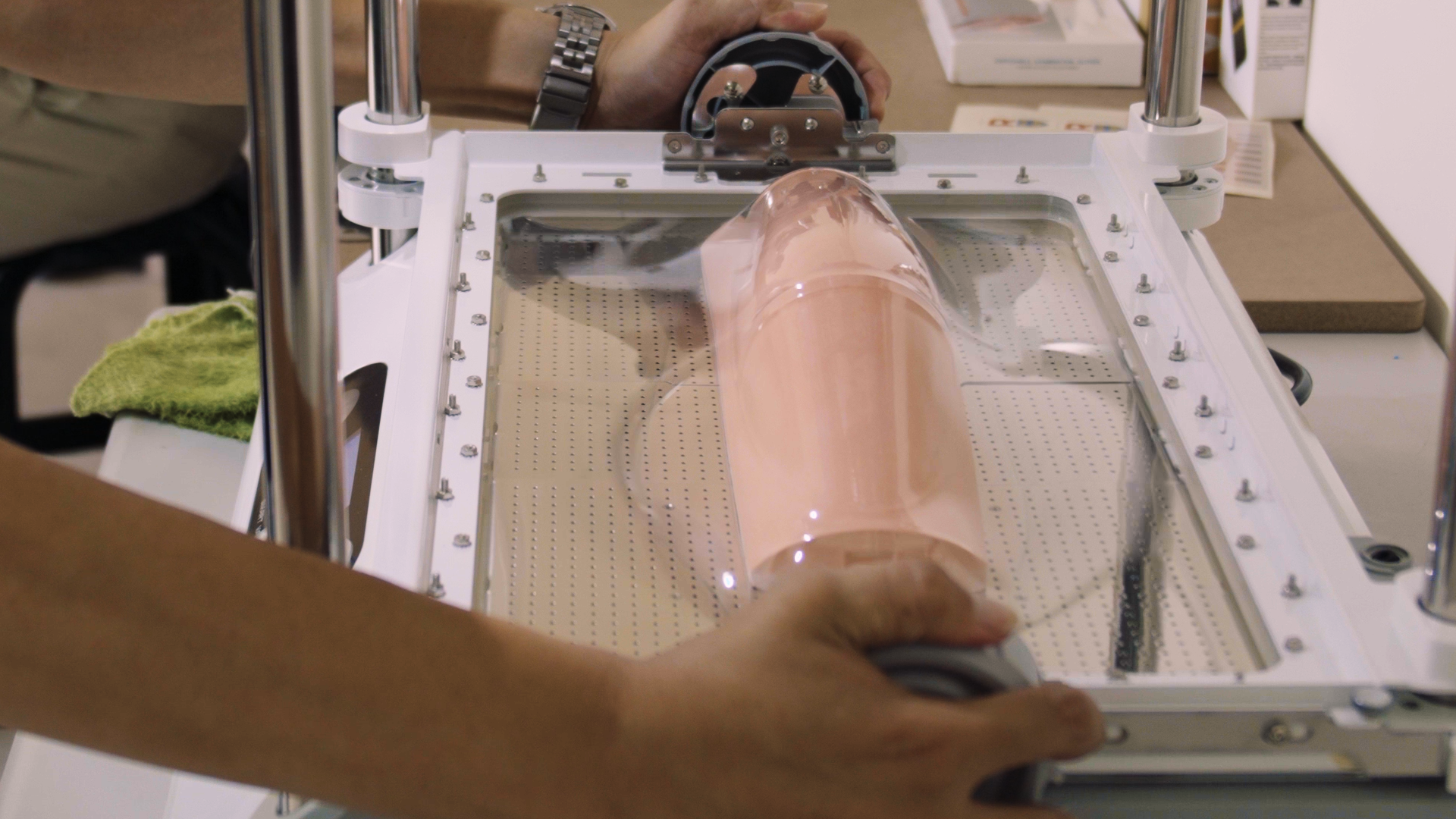
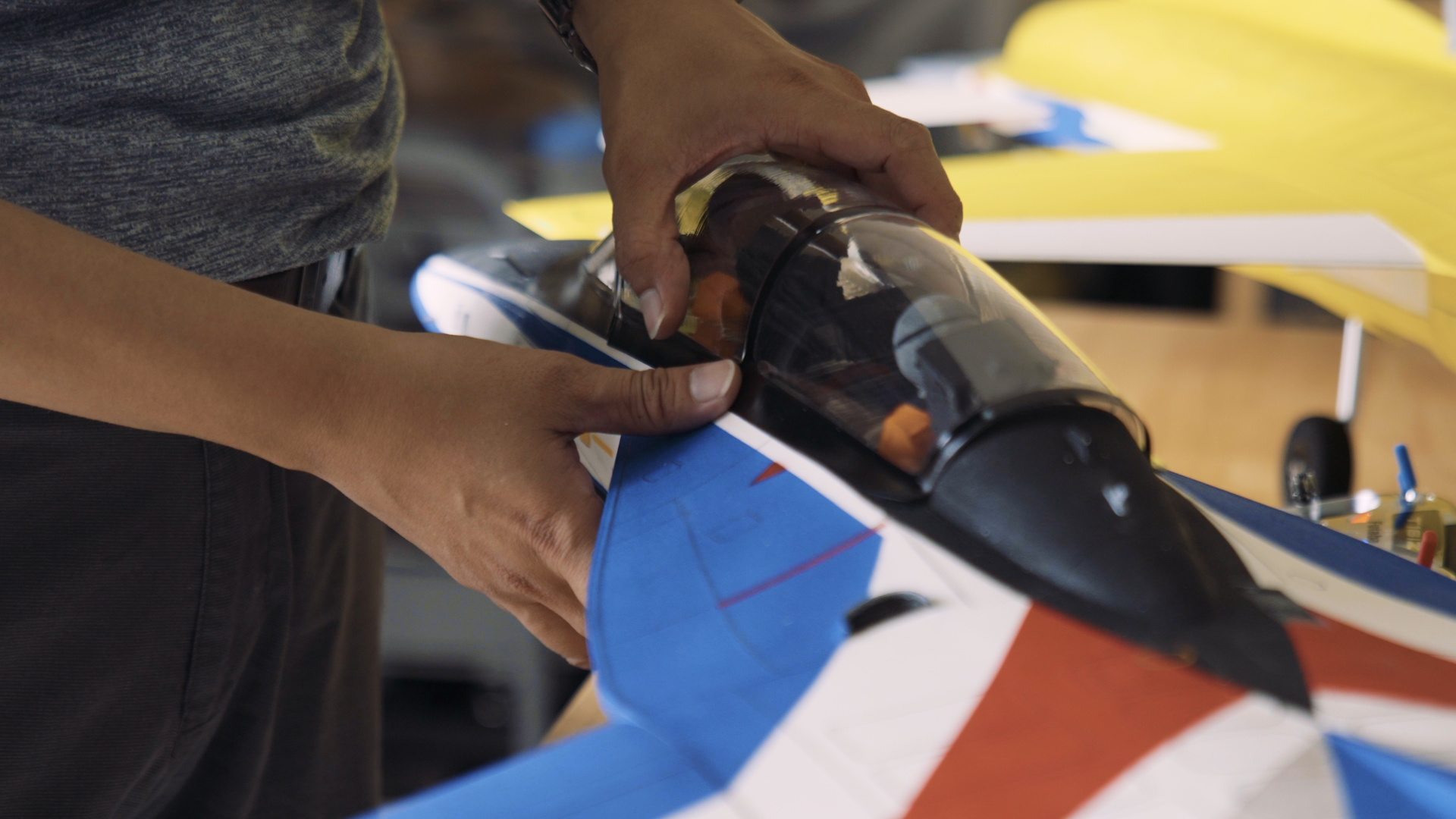
To make the canopy, Chia-Nan begins by producing a plaster mold of the cockpit shape. He then uses his vacuum former to shape a 0.01 inch PET sheet over the mold. PET is ideal for this application because it is transparent, lightweight, and strong enough to withstand flight conditions.
Once the plastic has been formed and trimmed, he assembles it with the 3D printed parts to complete the aircraft structure.
Finally, he paints the jet with accurate colors, insignia, tail numbers, and markings, recreating every detail of the real T-5 Brave Eagle. After that, the aircraft is fully ready for take-off.
Tips for beginners
For newcomers interested in RC aircraft, Chia-Nan recommends starting with propeller planes or high-wing trainer models, as they are slower, more forgiving, and easier to control during flight.
If you prefer ground-based RC hobbies, you can also explore our guide to creating custom RC car shells.
Why vacuum forming is ideal for model aircraft making
For modellers who value precision, repeatability, and fine detail, MY YARD vacuum formers offer fast heating and outstanding accuracy. Once your mold is prepared, you can produce a clear canopy in as little as two to three minutes.
Key advantages for modelmakers include:
- Fast pre-heating for efficient workflow
- Precise vacuum control to ensure clean, uniform forming
- A compact desktop design ideal for hobby rooms, studios, and small workshops
If you’re ready to enhance your modelling toolkit, browse our product range to find the vacuum former that suits your creative needs.
Machines
- 3D printer
- MY YARD FORMART SE vacuum former
Materials
- 3D printing filament or resin
- PET sheet